 HTML to Frames
· 3 min read · Mert Tati
How to Build an E-Commerce Website in Izmir: The 2026 Guide
Platform choice, payment and shipping integrations, legal requirements, SEO and launch: a step-by-step 2026 guide to building an online store in Izmir.
Building an e-commerce website is no longer just “getting a site made.” It’s a project where product, operations, payments, shipping, accounting and marketing all have to be planned together. In this guide, we walk through the decisions a business selling in Izmir (and across Turkey) needs to make in 2026, and the order to make them in.

1. Start with the business model: what are you selling, to whom, and how?
Before you pick a platform, get clear answers to three questions. How broad is your product range, and how do variations work (size, color, personalization)? Where is your stock physically kept, and how many channels does it sell through (a physical store, marketplaces, Instagram)? Who prepares orders, and with what tools? Your answers decide whether an off-the-shelf platform will be enough.
2. Choosing a platform: hosted SaaS, WooCommerce or custom software?
- Hosted (subscription) platforms: fast launch, a monthly fee, limited customization. A sensible choice if your catalog is standard and your operations are simple.
- WordPress + WooCommerce: full ownership, a huge plugin ecosystem, and open to custom development. A balanced option for mid-sized brands that want to customize; maintenance and security are your responsibility (or your agency’s).
- Custom software (headless / Next.js): built for complex business rules, multichannel selling and high traffic. Higher upfront cost, but flexible in the long run.
The deciding factor shouldn’t be “whatever’s most popular,” but total cost of ownership and what you’ll need two years from now. Migrating later is always possible, but moving product data, SEO equity and customer accounts takes planning.
3. Payments: virtual POS and alternative methods
In Turkey, online card payments run through a “virtual POS,” either integrated directly with a bank or via payment providers such as iyzico and PayTR. A bank POS can offer lower commission rates, but the application and integration process takes longer; payment providers are quick to set up and handle installments and commissions from a single dashboard. Clarify your 3D Secure requirements, refund flow and card-storage needs from day one.
4. Shipping and operations
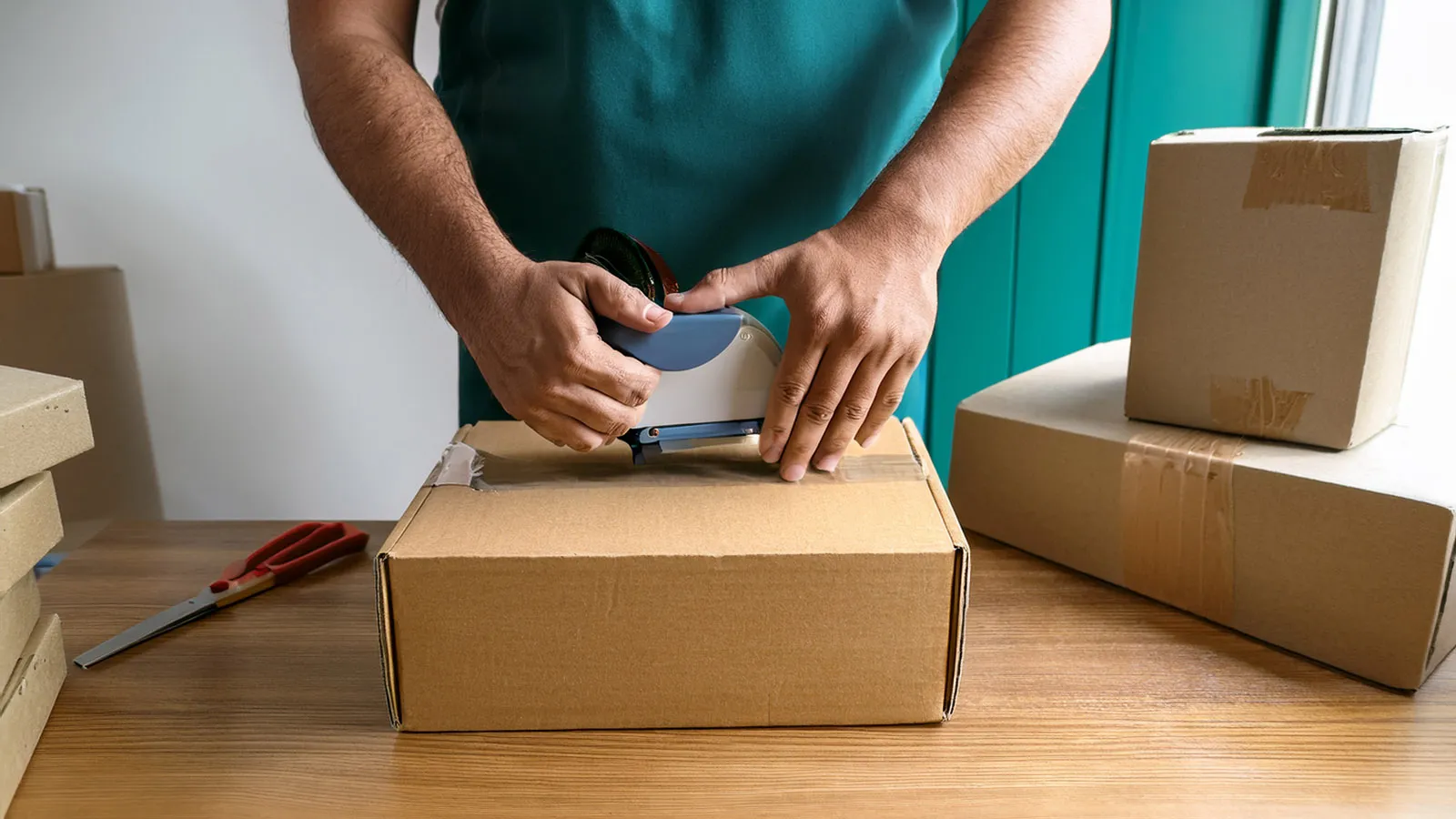
Your shipping integration should cover label printing, automatically sending tracking numbers to customers, and the returns process. Working with more than one carrier gives you flexibility on price and delivery times by region. If you have a physical store, plan for in-store pickup and synced inventory from day one; otherwise, overselling is inevitable.
5. Legal requirements
- A distance sales agreement and a pre-contract information form (with an approval step before checkout).
- A KVKK (Turkey’s personal data protection law) privacy notice, privacy and cookie policies, and a cookie consent mechanism.
- Clearly stated return and cancellation terms, including the statutory withdrawal period.
- E-Fatura/e-Arşiv (Turkey’s electronic invoicing systems) integration, plus order sync with your accounting software.
These documents aren’t one-size-fits-all templates. They need to be tailored to your products and business model and reviewed by a legal advisor.
6. Product data and images
The product page has the biggest impact on conversion: consistent product photography, clear variation selection, stock and delivery information, and trust signals. If your catalog is large, you’ll need bulk import and editing tools, and images sized specifically for each platform.
7. SEO and launch
Technical SEO (speed, mobile-friendliness, structured data, clean URLs) should be handled during the build, and category and product descriptions should be written around search intent. Launching your Google Business Profile, Google Merchant Center and social media accounts at the same time makes it easier to drive that first wave of traffic. For visibility in AI search (ChatGPT, Perplexity), consistent and structured product and brand information is becoming more important every year.
8. After launch
Going live isn’t the finish line. Backups, security updates, speed monitoring, campaign management and abandoned-cart flows all need ongoing attention. For most businesses, a monthly maintenance and growth plan is worth more than a one-time build.
In short: business model first, then platform; integrate payments and shipping from the start; don’t skip the legal pages; invest in your product pages; and have a maintenance plan for after launch.
Related services